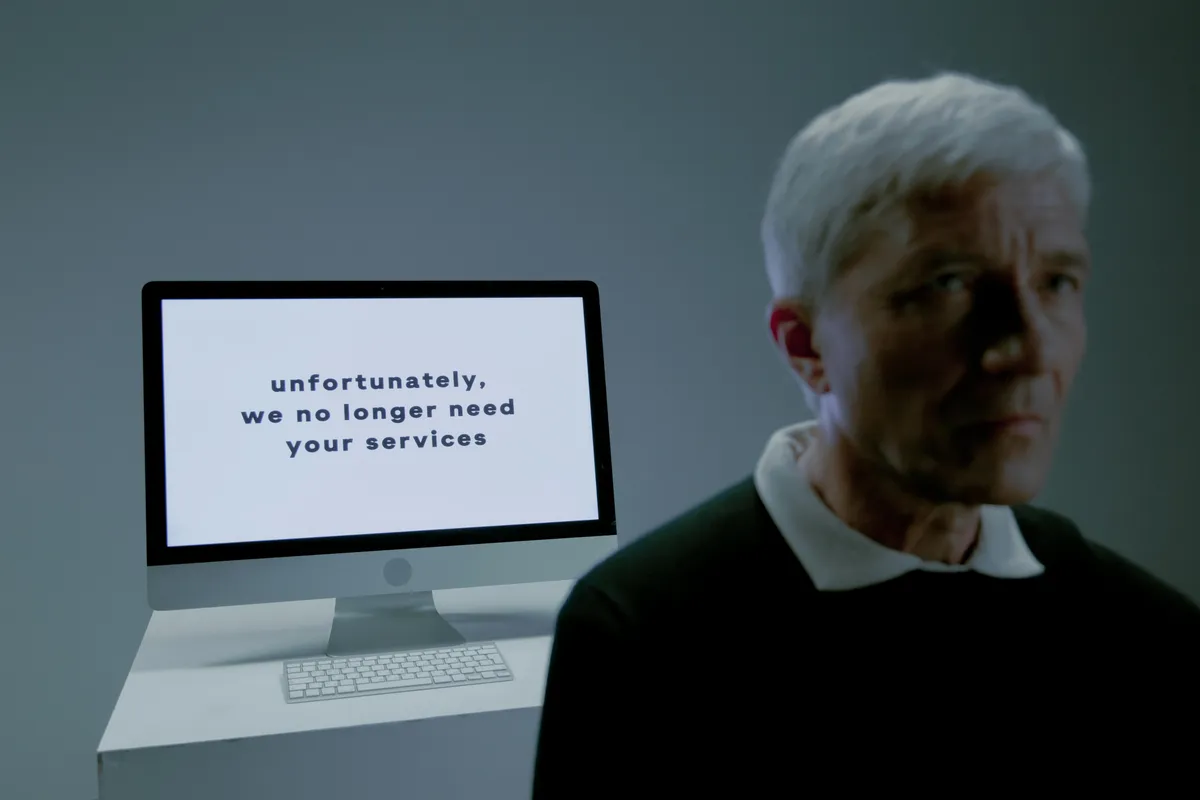
Fake IT is already inside our businesses. It’s in websites, apps, cloud setups, cybersecurity projects, digital transformations, and every screen in between. The line between fake and real has blurred, but the expertise has not caught up.
Here’s our humble opinion: real IT should be more present in business decisions, because fake IT is already more present in what we call “professional IT services.”
1. Trust is earned through simplicity
Fake IT creates confusion without asking permission. It hides behind walls of jargon, WordPress free templates dressed up as “enterprise solutions,” and buzzwords that sound impressive but mean nothing. Real IT earns trust by speaking plainly and showing exactly how something works. That’s why so much fake IT is ignored or quietly regretted the moment the invoice arrives.
2. Delivery is the real channel
We don’t remember vendors because of polished proposals or fancy slide decks. We remember them because the system actually worked, on time and on budget. That’s the real IT layer, and it’s missing too often from agencies that promise the world but deliver excuses.
3. Simplicity beats obfuscation
Real IT can be direct. It does not need to pretend a simple integration is “highly complex infrastructure” just to justify the price. Fake IT still confuses terminology volume with competence, drops acronyms, claims “it’s not that easy,” and gets defensive when a real engineer asks technical questions. Real professionals explain.
4. Conversations can be collaborative
Fake experts are everywhere: discovery calls, RFPs, technical audits, support tickets. When they have to speak with an actual IT professional, they dodge specifics or suddenly “cannot do that” with a clumsy justification. Real IT treats every discussion like a partnership. It says, “Here’s exactly how we can do it, here’s the timeline, and here’s the investment.” No smoke, no mirrors, just clarity.
5. Because businesses want solutions, not more barriers
Fake IT gives clients a reason to feel stuck. It pretends everything is more complicated than it is, blocks your progress with vague warnings, and leaves you wondering if you are the problem. Real IT gives people a reason to move forward confidently. It focuses on outcomes instead of obstacles. The result is not just working technology, but a better business experience.
If fake IT is already inside our companies, then real IT has every right to be in our decisions. The future is not more defensive, jargon-filled IT. It’s more transparent, honest, and effective IT.